
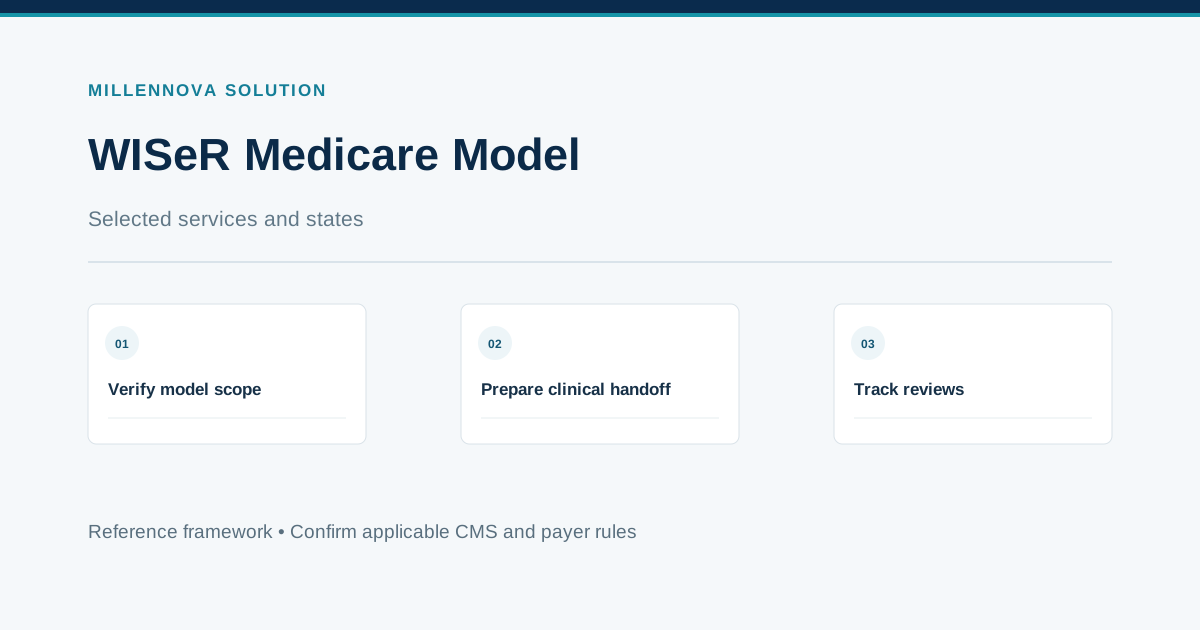
WISeR is a targeted model, not a nationwide Medicare rule
The CMS Wasteful and Inappropriate Service Reduction (WISeR) Model began in 2026 and is scheduled to operate through 2031. CMS identifies Arizona, New Jersey, Ohio, Oklahoma, Texas and Washington as participating states. Select Original Medicare items and services may require prior authorization or undergo pre-payment medical review. The model is not a universal restriction for all Medicare services. CMS WISeR model.
For teams supporting surgery or interventions, the central task is confirming whether a specific service, patient coverage and servicing location fall within the model.
The key dates in the current guidance
CMS guidance describes prior authorization request processes beginning in early January 2026 for affected services with dates of service on or after January 15, 2026. CMS also notes that claims for covered selected services without prior authorization can be subject to pre-payment medical review. Processing routes and turnaround expectations depend on how the request is submitted; see the model’s frequently asked questions rather than quoting a single time guarantee. CMS WISeR FAQs.
A preventive worklist for surgical practices
- Flag the geography correctly. Practice location, billing location and place of service need to be checked against the model’s official criteria.
- Identify included services. Maintain a dated and versioned list from CMS or the responsible program channels; do not assume a specialty name alone determines inclusion.
- Define scheduling alerts. High-risk services should trigger a coverage and authorization review before the procedure where applicable.
- Prepare the medical record handoff. Route clinical evidence requests to authorized clinical reviewers and preserve the submission history.
- Track payment review. Distinguish prior authorization approvals from claim payment determinations; an authorization is not a general payment guarantee.
Why denial dashboards should split the model out
A normal denial workqueue can hide requests affected by pre-payment review. Create distinct statuses for prior authorization submission, requests for clinical information, review determination, claim submission and payment release. That makes staffing and escalation more accountable.
WISeR is particularly relevant when assessing high-complexity procedural operations, but payer and service applicability always requires verification against the live CMS materials.
Primary references: CMS WISeR model and CMS WISeR FAQs.
Reviewed October 10, 2026. This analysis is informational and should be checked against current payer, program and contract requirements before operational use.