
Medical claims involving a workplace injury or motor vehicle accident can require different administrative routes from conventional commercial health insurance. Before a billing team selects a workflow, it should establish who is responsible for payment, which documentation is required and which jurisdiction’s process applies.
Workers’ compensation and personal injury protection (PIP) are not uniform national programs. Rules, coverage, fee schedules, dispute options and filing periods can differ materially by state, insurer and case circumstances.
For the separate dispute-review workflows, explore Millennova Legal’s workers’ compensation medical-bill dispute support and auto-accident and PIP dispute resources. Both describe non-attorney administrative support rather than legal representation.
Identify the claim pathway early
A useful intake and billing record may include the injury category, date of incident, applicable insurance or administrator, claim reference, authorized treating provider and responsible organizational contact. Store patient-specific details only in approved secure systems.
For a disputed bill, distinguish a missing claim identifier from a true medical necessity denial, a coding adjustment or a fee-schedule dispute. Each may require a different contact point and supporting evidence.
Build a traceable evidence packet
Administrative records should identify which bill was submitted, the exact submission channel, related acknowledgments, remittance history and all subsequent correspondence. Where work includes clinical records, rely on appropriately authorized personnel and secure transmission.
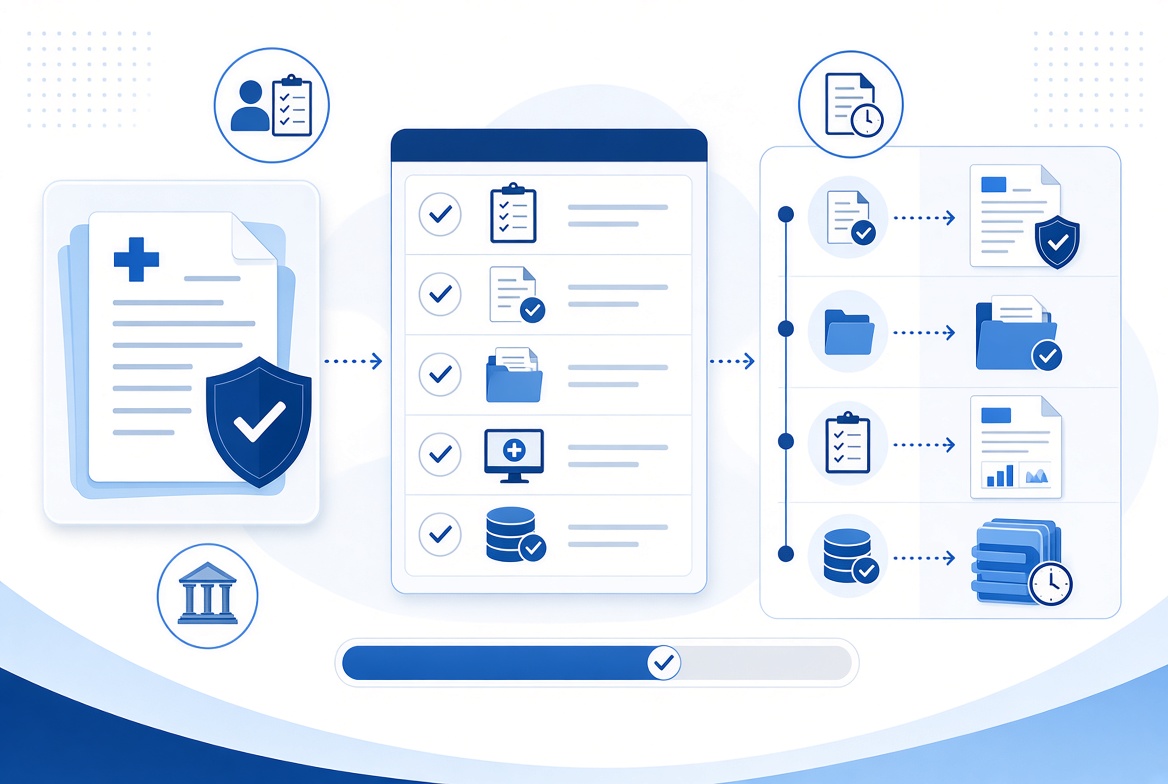
A good packet is not a pile of disconnected PDFs. Use a chronological index so that reviewers can tell what action happened, when, by whom and in response to which payer request.
Separate routine follow-up from formal disputes
Some issues can be resolved by confirming receipt, correcting a registration problem or supplying a requested document. Others may require a formal review, appeal, arbitration or attorney-led action. Billing employees should not use a single escalation workflow for every injury claim.
Before preparing a legal or statutory dispute, verify the governing rules and the authorized representative. Millennova Solution provides non-attorney administrative support; legal advice and representation remain with qualified counsel.
Reporting for a provider practice
Track open accounts by payer, injury claim type, denial reason, stage, verified next-action date and responsible party. Separate claims in ordinary payment processing from cases awaiting a formal decision or documentation from another stakeholder.
A practice considering outsourced injury claim support should ask who monitors correspondence, who validates rule changes and how final outcomes are recorded. This reduces duplicate work when a billing provider, law firm and insurer are all involved.
Review injury and workers’ compensation support or request an operations discussion.
This article is general operational information. It is not a statement of state-specific legal deadlines or a substitute for legal advice.
Build jurisdiction-specific queues rather than a single accident workflow
Workers’ compensation and auto personal injury protection claims are governed by different laws and administrative structures, with material differences among states. Establish state, loss date, injury type, liable coverage, claim administrator, claim number, reporting duties and any relevant authorization or review process before choosing billing steps.
A PIP benefit limit, workers’ compensation fee schedule or lien right from one state should not be copied to another. Even within the same state, benefits and procedural rights may depend on policy terms, accident circumstances and the type of provider.
Minimum case record
| Data element | Operational reason |
|---|---|
| Accident date and jurisdiction | Directs applicable rules and deadlines |
| Responsible carrier/administrator | Prevents incorrect payer routing |
| Claim and employer/auto identifiers | Supports matching and communication |
| Medical necessity and treatment notes | Supports requested review |
| Payment, denial and correspondence chronology | Preserves dispute history |
| Authorized next step | Distinguishes billing follow-up from legal proceedings |
Practice staff should track unresolved liability and coordinate with qualified state-specific advisers for legal interpretations. Do not promise recovery on the basis of an injury diagnosis or claim label alone.
Avoid applying health-insurance assumptions to injury claims
An injury-related account may involve a workers’ compensation administrator, auto PIP carrier, health insurer, liability insurer or another responsible party. Before follow-up, establish the correct claim type and payer order under the relevant jurisdiction. A conventional commercial insurance eligibility response may not identify the responsible accident carrier.
Is an outstanding injury claim automatically collectible? No. Benefits, compensability, fee schedules, filing requirements and disputed liability may affect the available route.
Can billing staff pursue litigation automatically? No. Legal proceedings and representation require appropriate professional involvement and authority, and state law governs the remedies.
Provider-facing work queue
Track received injury documents, incident dates, verification contacts, treatment authorizations, unpaid line items and insurer communications. Separate administrative documentation missing from compensability disputed or legal review required. A state-specific checklist is essential: a process written for New Jersey PIP should not be treated as the rule for Texas workers’ compensation.
References
- CMS Medicare fee-for-service appeals overview (separate program context)
- HHS HIPAA information security requirements
Editorial update: October 11, 2026. Validate current payer requirements and jurisdiction-specific guidance before operational use.